
The Future of Personal Health Care is the

Holistic Approach.


Through wellness, art, and mindful creative experiences, I help individuals of all ages slow down, reconnect, and express themselves.


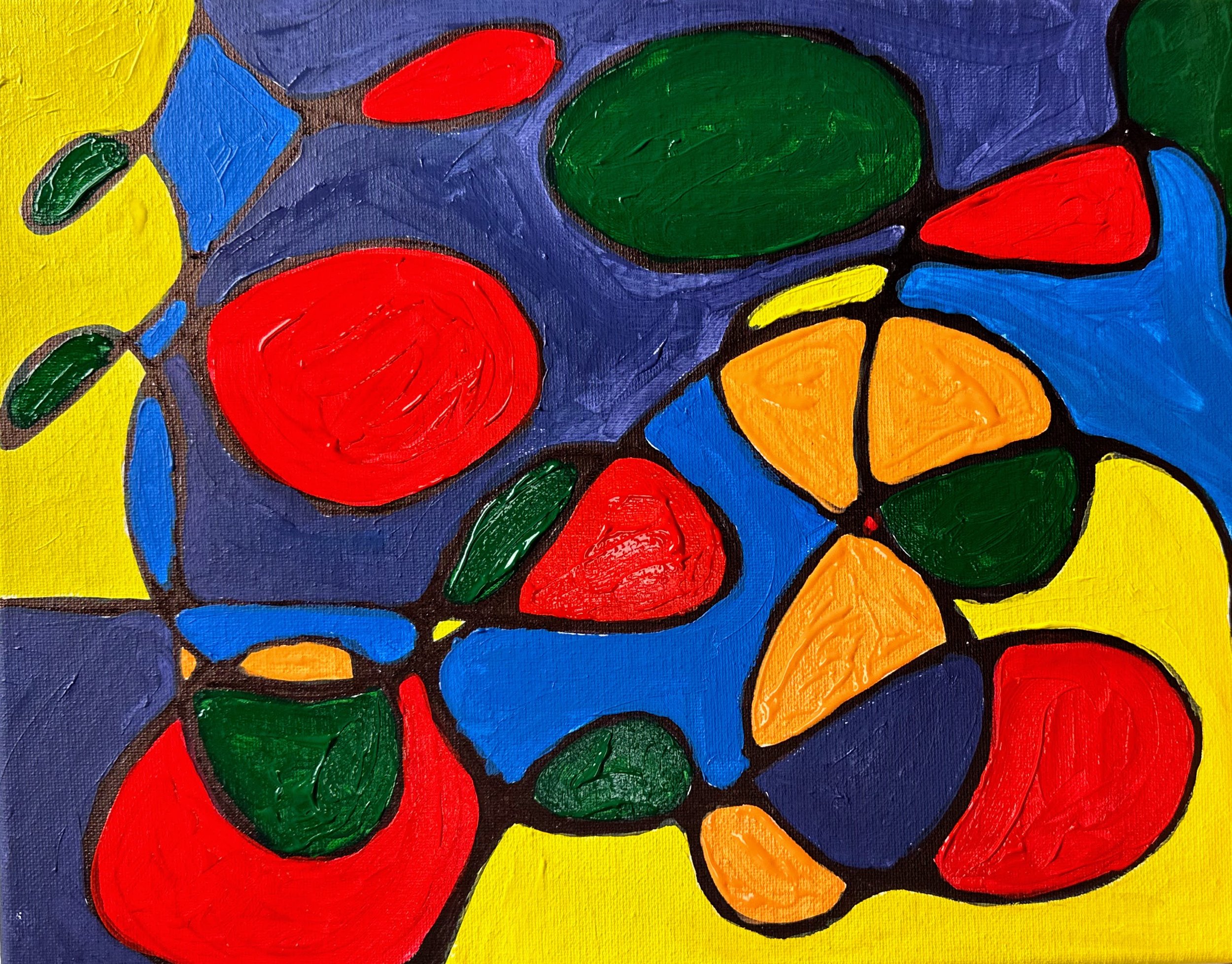
Neurography art therapy is a meditative, evidence-based technique developed by architect Pavel Piskarev in 2014 that combines drawing with psychology to transform stress into calm, promote mindfulness, and rewire neural pathways. It involves drawing free-form lines, rounding sharp corners, and adding color, requiring no prior artistic skills.

Wellness From Within,
Not From Pharmaceuticals

From the beginning we listened to our body, today we need to channel it, creating a better, and more vibrant you.
Seminar at Princeton Wellness Center

My Services
-
Personalized coaching sessions focused on stress reduction, mindfulness, emotional balance, and developing healthier daily habits that support long-term well-being.
-
Work together to create a wellness plan that supports healthy habits, self-care routines, and sustainable lifestyle changes that align with your personal goals.
-
A guided review of your current supplements, vitamins, and medications to help identify potential interactions, unnecessary overlaps, and ways to better support your wellness goals.
-
Neurography Art Therapy is a creative and mindful practice that combines simple drawing techniques with reflective awareness. This process helps release stress, calm the mind, and encourage new ways of thinking.
Through guided drawing exercises, neurographic art allows you to visually transform thoughts, emotions, and challenges into flowing lines and shapes. The process can help create a sense of clarity, emotional balance, and inner calm.
No artistic experience is needed. The focus is not on creating perfect artwork, but on the healing and relaxing process of expression scription
-
Many people take vitamins, minerals, and herbal supplements to support their health, but it can sometimes be difficult to know which ones are appropriate or how they may work together.
During a supplementation review, we will look at the supplements you are currently taking and discuss how they may support your wellness goals. We will also review how supplements may interact with any medications you are taking to help promote safe and balanced wellness practices.
The goal is to help you better understand your supplement routine and ensure it aligns with your overall wellness plan.
-
Blood tests can be a simple way of getting more information about what is going on inside your body.
Why would I bring my blood work information?
Blood tests are usually done to check how your body copes with illness, injury, inflammation, infection, and some types of medication. Blood needs a very precise balance for your body to work well. If blood test results are abnormal, it gives me a good indication of how to treat you or prevent problems occurring in the future.
With most routine blood work, I am trying to catch early warning signs of disease–before symptoms arise. The tests your practitioner orders will depend on your age and sex, along with your medical history and family risk factors. Baseline tests check for blood sugar levels, blood cell counts, and metabolic function (how your body converts what you eat and drink into energy). Your doctor will generally order panels that test for several things with one draw. Here are some of the most common blood tests I see in my practice.
-
Muscles serve as a reliable way to check for nerve pathways compromised by nutritional deficiency. While the Food and Nutrition Board set recommended daily allowances of vitamins for a healthy person, a distant research council cannot know the individual dietary needs of any person.
Each person’s nutritional needs are influenced by their lifestyle choices, age, sex, weight, the amount they exercise, blood type, personality type, and well as their genetics, and heredity. In addition, the quality of the water they drink and the food they eat, the amount and type of sleep they get, and their living and working environment all impact their nutritional needs.
These influences cannot be captured by an RDA, but the impact on their dietary needs can be assessed with muscle testing using Applied Kinesiology.
The body never lies. If a patient is experiencing symptoms, the condition might not have advanced sufficiently to be detected by blood tests.
-
Creative, calming art experiences for children.
Perfect for birthdays and small gatherings.
Starting at $150
Contact to book